 Urban Village Academy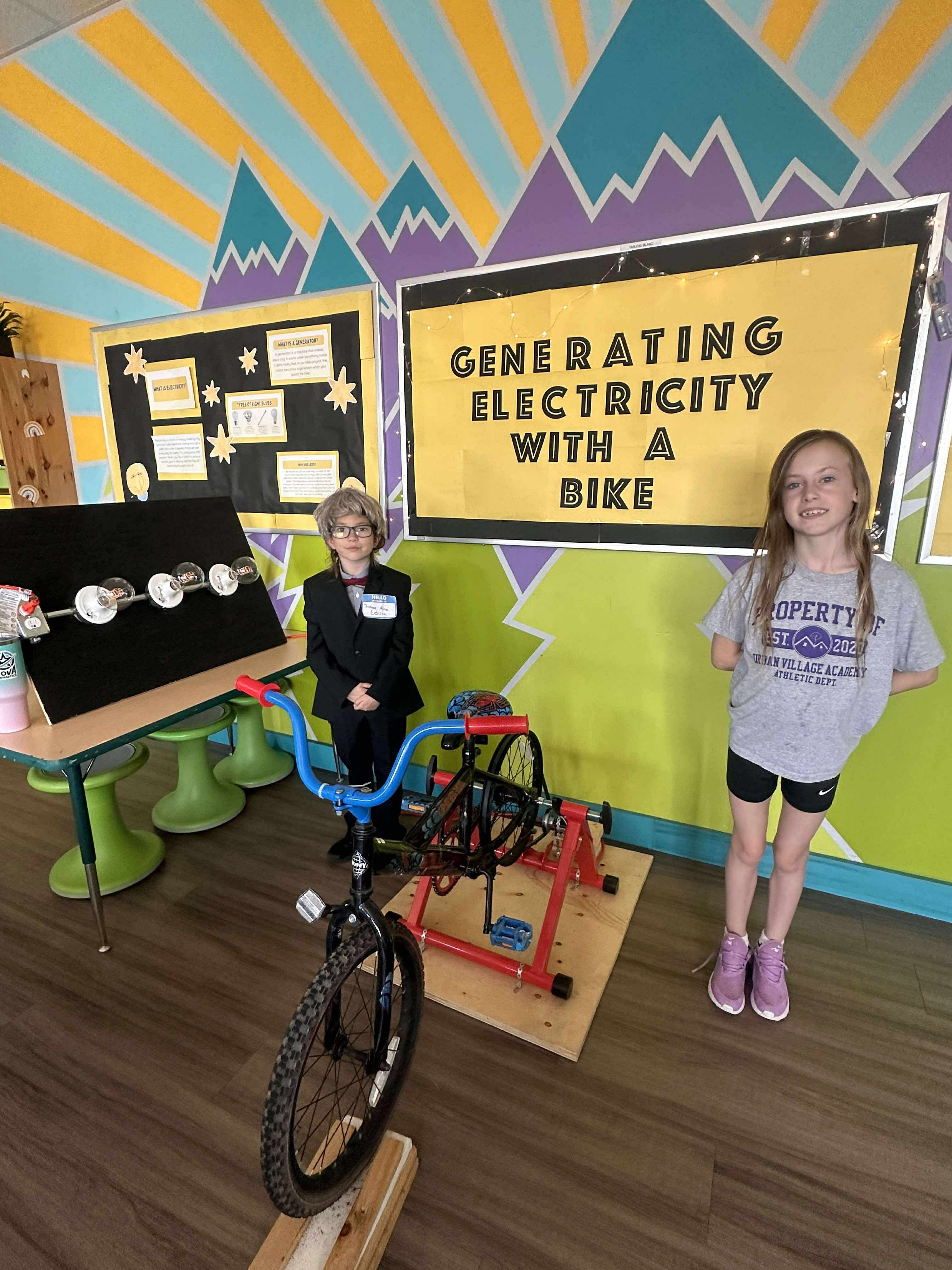
Latest Post
Hands-On Learning Matters
February 18, 2026
At Urban Village Academy, we believe children learn best when they are actively involved in the learning process. Curiosity is at the heart of childhood, and hands-on learning allows students to explore that curiosity in meaningful, purposeful ways.
When students are given opportunities to touch, build, explore, and experiment, learning becomes more than just information, it becomes an experience. Hands-on learning transforms abstract concepts into concrete understanding, helping students make sense of new ideas and retain them more effectively over time.
Rather than focusing solely on worksheets or memorization, hands-on learning invites students to ask questions, test ideas, and discover solutions. This approach encourages deeper thinking and allows students to learn through exploration and inquiry. When children are actively engaged, they develop a stronger connection to what they are learning and begin to see learning as something enjoyable and relevant.
Hands-on learning also supports the development of essential skills beyond academics. As students work through challenges, they learn perseverance, flexibility, and problem-solving. They begin to understand that mistakes are part of the learning process and that growth often comes from trying again. These experiences help build confidence and resilience, which are critical for long-term success.
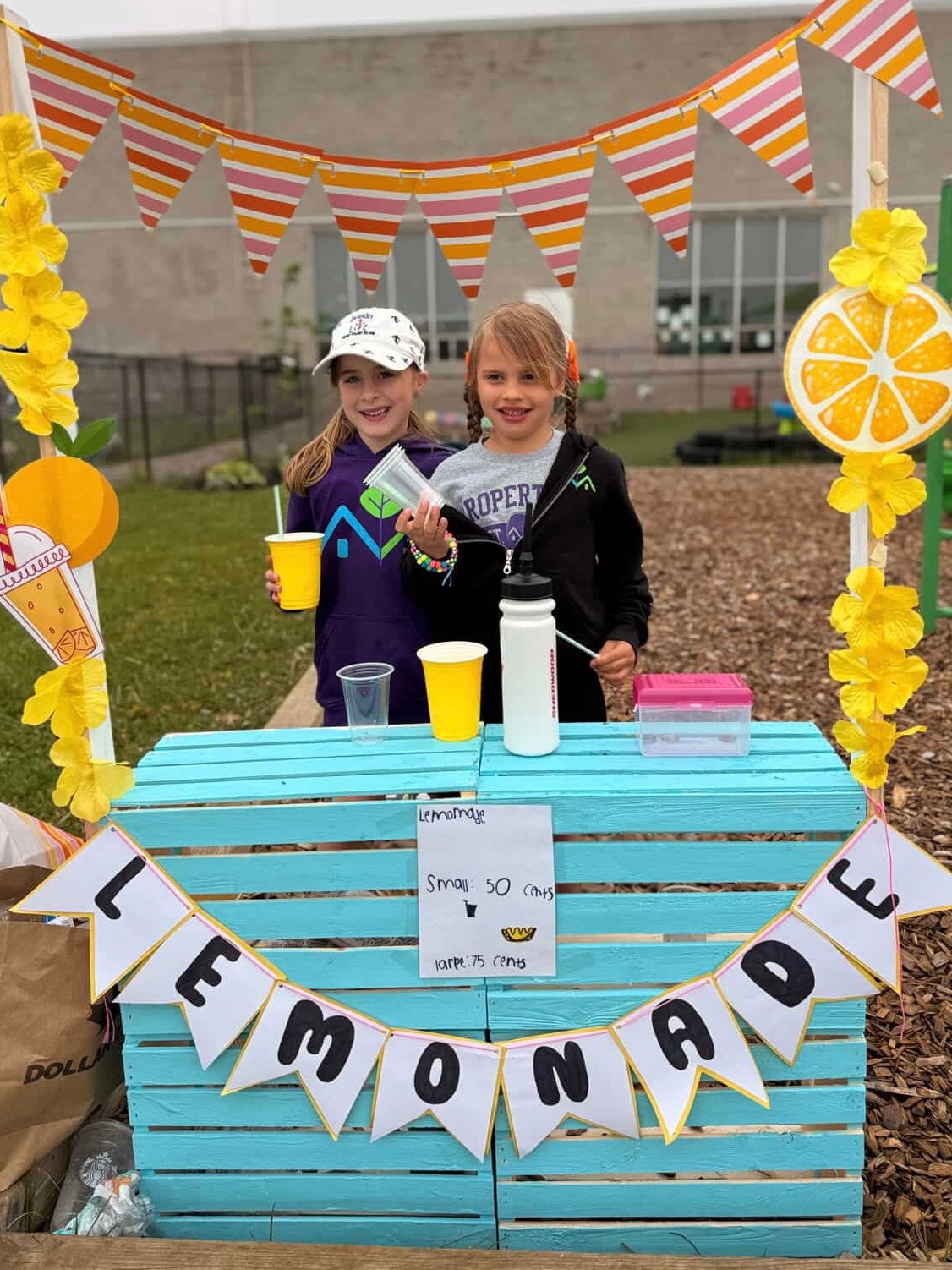
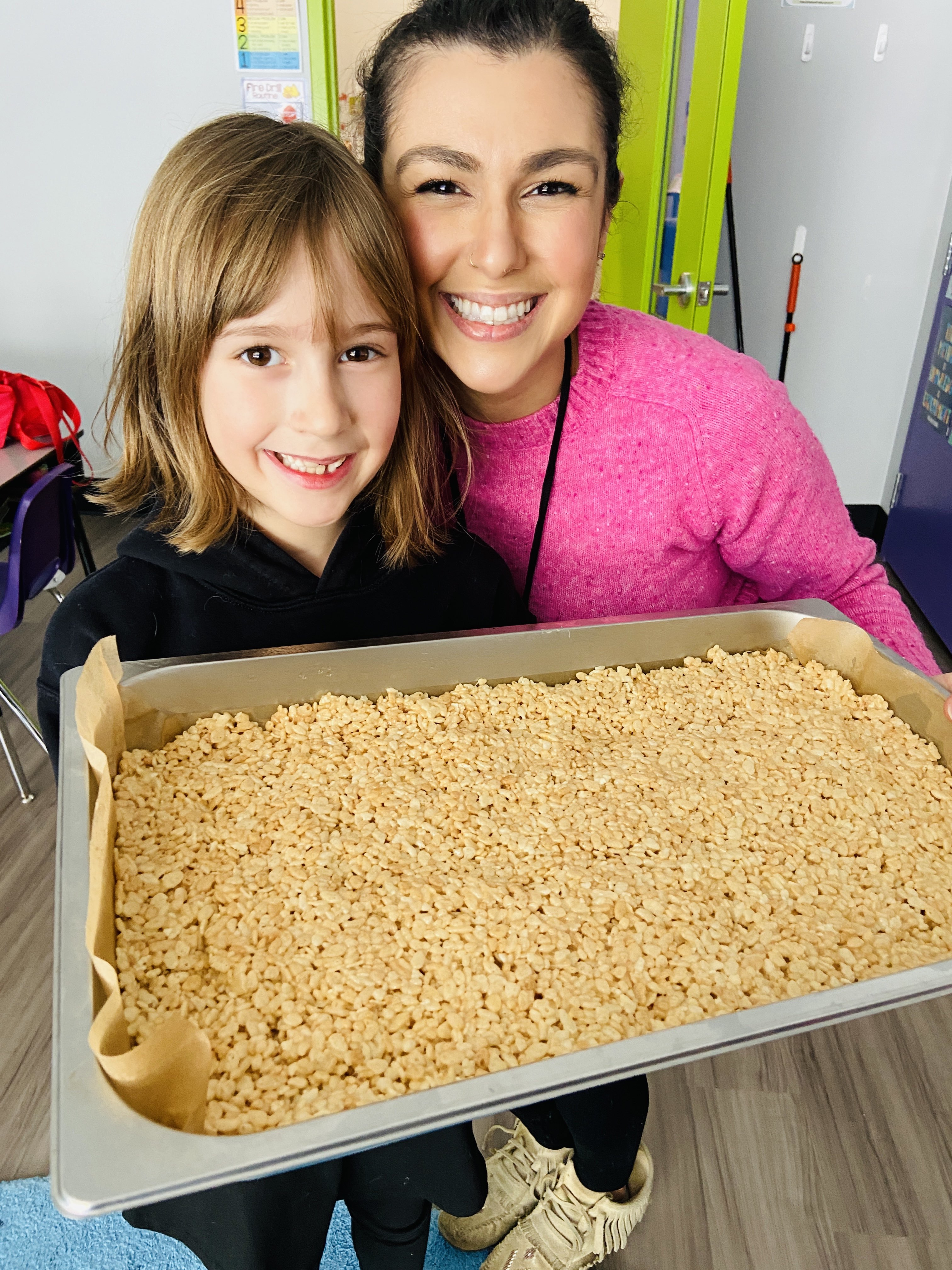
At Urban Village Academy, hands-on learning is thoughtfully embedded across subject areas. Students engage in meaningful experiences that encourage creativity, critical thinking, and independence. Whether they are exploring mathematical concepts through manipulatives, investigating scientific ideas through experiments, or expressing understanding through creative projects, students are encouraged to take ownership of their learning.
Most importantly, hands-on learning helps students see the connection between what they learn in school and the world around them. When learning feels purposeful and meaningful, students develop a sense of pride in their work and a genuine love of learning.
Why Hands-On Learning Is Effective?
Builds deeper understanding
- Students retain information better when they actively explore concepts.
Encourages critical thinking
- Hands-on learning helps students test ideas, problem-solve, and think creatively.
Increases engagement and motivation
- Active learning keeps students curious, focused, and excited to learn.
Supports diverse learning styles
- Students learn in different ways, and hands-on experiences allow everyone to access learning.
Builds confidence and independence
- Students gain pride in their work and confidence in their abilities.
Encourages collaboration and communication
- Many hands-on activities involve teamwork and sharing ideas.
Connects learning to real life
- Students see how classroom learning applies beyond school.
At Urban Village Academy, our goal is not only academic achievement but the development of confident, capable learners who are curious, engaged, and excited to learn each day. We are proud to offer a learning environment where students are encouraged to explore, discover, and grow through hands-on experiences.